
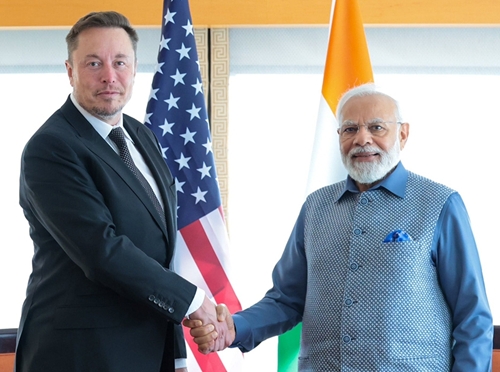
Tesla Hints at India Market Debut Amid Evolving EV Policy, Cost Concerns
Tesla, the world’s leading electric vehicle (EV) manufacturer, is inching closer to entering the Indian market. After years of speculation and negotiations, the company has hinted at an impending debut in India, spurred by evolving EV policies and a growing demand for sustainable transportation. However, concerns over pricing, infrastructure, and local manufacturing remain key factors influencing Tesla’s expansion strategy.
Tesla’s Growing Interest in India
Tesla’s interest in the Indian market is not new. Over the past few years, CEO Elon Musk has repeatedly expressed his desire to bring Tesla to India. However, stringent import duties, policy uncertainties, and the lack of a robust EV ecosystem have hindered the company’s entry.
Recent policy changes by the Indian government, particularly those aimed at promoting EV adoption and local manufacturing, have reignited Tesla’s interest. Reports suggest that the government is working on a new EV policy that may offer incentives for automakers willing to set up manufacturing facilities in India. If Tesla takes advantage of these policy reforms, it could mark a significant turning point for India’s EV landscape.
Challenges Tesla Faces in India
While the Indian government is making strides in promoting EVs, Tesla faces multiple challenges that could impact its decision-making process. One of the biggest hurdles is India’s high import duty on fully assembled EVs, which currently stands at 100% for cars priced above $40,000. This makes Tesla vehicles significantly more expensive than competitors offering locally manufactured alternatives.
To mitigate these costs, Tesla has been discussing potential tax reductions or policy adjustments with the Indian government. However, the government has maintained that any tax relief should come with a commitment to local production. This has put Tesla in a dilemma, as setting up a manufacturing plant requires long-term investments and thorough market assessments.
Another challenge is the state of EV infrastructure in India. Although the country has been working towards expanding its charging network, the number of charging stations remains limited compared to Tesla’s other major markets. A widespread and efficient charging network is crucial for Tesla’s success in India, as range anxiety remains a concern for potential EV buyers.
India’s EV Market Potential
Despite the challenges, India presents a lucrative market opportunity for Tesla. The Indian automobile market is one of the largest in the world, with a growing demand for sustainable and high-performance vehicles. With rising fuel prices, increasing environmental awareness, and government incentives for EVs, Indian consumers are becoming more receptive to electric mobility.
The Indian government has set ambitious goals for EV policies adoption under the Faster Adoption and Manufacturing of Electric Vehicles (FAME) scheme. It aims to have 30% of all vehicles on the road be electric by 2030. This gives Tesla a significant opportunity to position itself as a premium EV brand in a market where demand is expected to surge in the coming years.
Also Read: Government Policies
Potential Strategies for Tesla’s India Entry
If Tesla decides to enter India, the company may adopt multiple strategies to ensure a successful launch. Some of the possible approaches include:
- Local Manufacturing: Setting up a Gigafactory in India would allow Tesla to take advantage of government incentives, reduce import duties, and lower overall costs. It would also help create jobs and strengthen India’s EV ecosystem.
- Partnership with Local Players: Tesla could collaborate with Indian manufacturers for production and assembly, similar to its approach in China. This would reduce costs while leveraging local expertise.
- Gradual Expansion: Tesla could introduce limited models in key metropolitan cities instead of an immediate full-fledged launch, targeting high-income consumers first. This would allow the company to test the waters before making larger investments.
- Charging Infrastructure Expansion: To support its vehicles, Tesla may invest in Supercharger networks across India’s major highways and urban centers, ensuring that customers have convenient access to fast charging stations.
Conclusion
Tesla’s potential entry into India is a significant development in the country’s EV landscape. While EV policies change and incentives create a favourable environment, challenges related to costs, infrastructure, and manufacturing remain. If Tesla manages to navigate these hurdles strategically, it could revolutionize India’s EV sector and further accelerate its transition to clean energy transportation.
As the Indian government finalizes its EV policies, all eyes are on Tesla to see whether it takes the plunge into one of the world’s most promising automobile markets. Whether through local production or strategic partnerships, Tesla’s arrival could be a game-changer for the Indian automotive industry.
