
How Fighting Plastic Pollution Can Protect Biodiversity
The urgency to address pollution and biodiversity loss has never been greater. According to the latest Global Risks Report, pollution is now among the top 10 global environmental threats, impacting ecosystems, human health, and economies worldwide. Even more alarming, biodiversity loss and ecosystem collapse are considered the second most severe long-term risks facing our planet.
The Hidden Dangers of Plastic Pollution
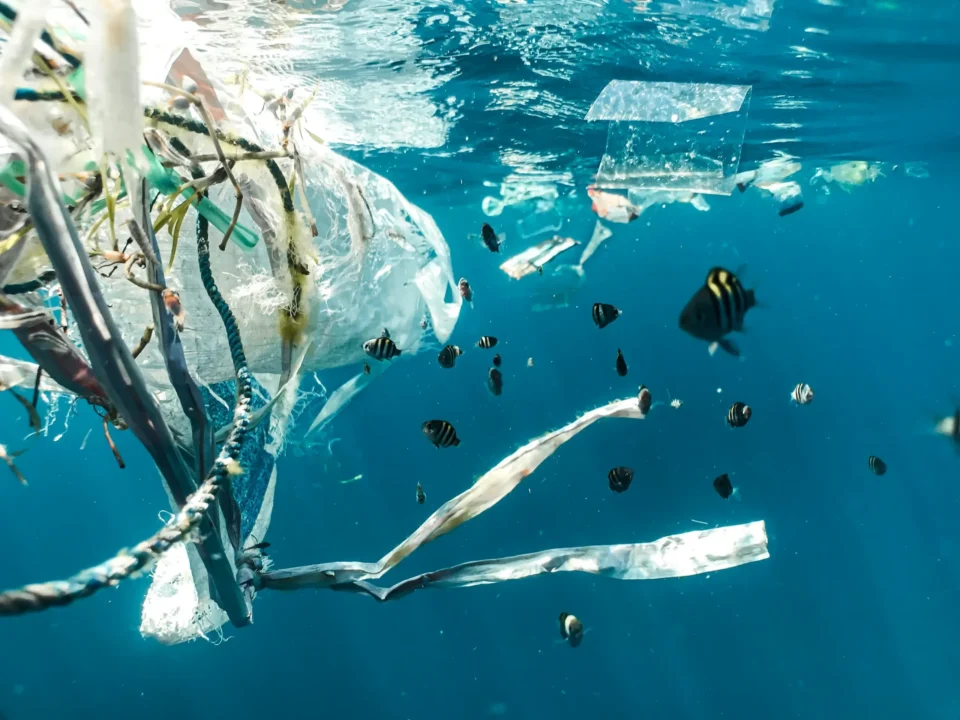
Plastic pollution silently disrupts ecosystems on land and in water, damaging habitats, introducing toxins, and breaking essential food chains. Microplastics have seeped into soil, rivers, and oceans, threatening the delicate balance that sustains life.
For wildlife, plastic waste can mean injury, poisoning, or starvation. Animals can become trapped in plastic debris or mistakenly ingest it. But the damage doesn’t stop there—entire ecosystems lose their ability to absorb carbon, purify water, and sustain biodiversity when plastic waste accumulates.
Why Urban Areas Play a Key Role
Cities generate massive amounts of plastic waste, making them both contributors to and victims of pollution. Urban parks, green spaces, and even farmlands are affected, impacting the environment and public health. However, urban communities are also uniquely positioned to lead the fight against plastic pollution through innovative policies, community action, and sustainable solutions.
Buenaventura’s GESAMPA: A Community-Driven Solution
Buenaventura, a biodiversity-rich region on Colombia’s Pacific coast, is also one of the least developed areas in the country. Waste management is a major challenge—163,000 tonnes of solid waste are produced daily, but ecosystems and communities suffer without a sustainable disposal system.
In response, María Teresa Sinisterra and Emiliano Zambrano founded Gestores Ambientales del Pacífico (GESAMPA) in 2017 to address poverty, inequality, and environmental degradation. This initiative is transforming plastic waste into economic opportunities while helping to restore biodiversity.
Turning Waste into Opportunity
GESAMPA has become a regional waste collection and recycling leader, operating 12 collection points and employing full-time workers and local families in waste recovery efforts. Their innovative programs include:
- Don Trueque Store—This mobile shop trades food for recyclable waste, engaging 500 families and collecting 2,800 kg of materials.
- Ecogol – A football tournament where teams “pay” their entry fee with collected plastic waste, raising awareness among 520 youth and recovering 5,800 kg of waste.
- Guardians of the Mangrove – A group of 120 women removing 6,900 kg of plastic from mangroves, restoring ecosystems while earning an income.
Scaling Local Solutions with Global Support
GESAMPA’s success shows how local, community-driven action can significantly impact. Combining waste management, ecosystem restoration, and livelihood opportunities creates a replicable model of resilience—helping both people and nature thrive.
However, scaling initiatives like GESAMPA requires more than local innovation—it demands strong global support. Many communities lack funding, infrastructure, and technical expertise, limiting their ability to tackle pollution and biodiversity loss. International collaboration can help bridge these gaps by:
✅ Providing financial resources to expand impact
✅ Transferring technology to improve waste management
✅ Offering capacity-building programs to train local organizations
Aligning with international frameworks like the Kunming-Montreal Global Biodiversity Framework (KMGBF), local efforts can connect with global biodiversity and climate goals to create lasting change.
Connecting Plastic Pollution, Biodiversity & Urban Resilience
Nature-based solutions (NbS) and urban ecosystem restoration are powerful tools in tackling plastic pollution. Reforesting urban areas and restoring coastal ecosystems can:
Improve air quality & regulate temperature
Protect against flooding & extreme weather
Enhance biodiversity & waste management
When combined with community-driven programs, these solutions clean up plastic waste, strengthen ecosystems, and improve urban resilience.
Global Frameworks, Local Action: The Role of GPAP
GESAMPA’s impact proves that local action can drive global change, but alignment with international efforts is key.
The Global Plastic Action Partnership (GPAP), an initiative of the World Economic Forum, connects governments, businesses, and civil society to turn global commitments into real-world strategies.
🔹 In January 2024, GPAP partnered with the Colombian government to launch NPAP Colombia, led by WWF Colombia. This initiative will release an Action Roadmap in 2025 to combat plastic pollution.
🔹 GPAP is expanding efforts to protect biodiversity hotspots, with support from Canada, ensuring that plastic waste reduction also benefits ecosystem resilience and community livelihoods.
By bridging global policies with local expertise, GPAP is helping create systemic change for a cleaner, more sustainable world.
The Future of Plastic Pollution Solutions
GESAMPA proves that community-driven initiatives can make a real impact, turning waste into an opportunity for environmental restoration and economic growth. Their success highlights how local action can support global efforts and drive meaningful environmental progress.
Tackling plastic pollution, we’re not just cleaning up waste—we’re safeguarding the ecosystems that support life on Earth. It’s time for cities, businesses, and individuals to take action and build a healthier, more sustainable future.
This article originally published at Weforum
