
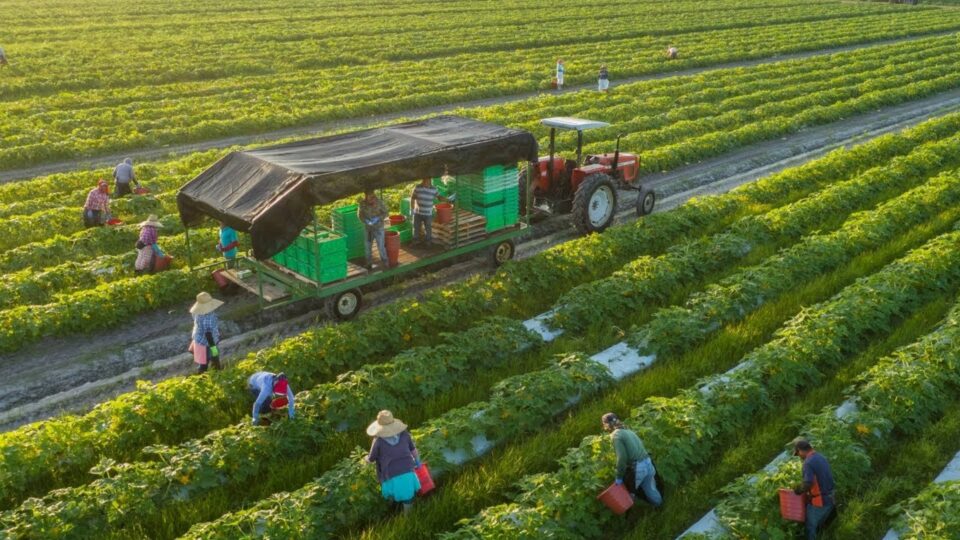
Agriculture Blossoms with Tech Innovation Drive
Agriculture, one of the world’s oldest industries, is transforming rapidly through technology. Innovations in precision farming, artificial intelligence (AI), automation, and sustainable practices are reshaping how food is grown, harvested, and distributed. With global food demand rising, integrating technology into agriculture is not just a luxury but a necessity.
The Role of Technology in Modern Agriculture
Technology addresses some of the biggest challenges in agriculture, including unpredictable weather, soil degradation, labour shortages, and the need for higher productivity. Farmers can make informed decisions that optimize resource use and increase yield efficiency by leveraging data-driven solutions.
Key Technological Innovations in Agriculture
1. Precision Farming and IoT
Precision farming involves using Internet of Things (IoT) devices, sensors, and GPS technology to monitor crop conditions in real time. These tools help farmers apply the right amount of water, fertilizers, and pesticides, reducing waste and improving crop health. Drones and satellite imagery further enhance precision agriculture by mapping fields and detecting issues before they become critical.
2. Artificial Intelligence and Machine Learning
AI-powered analytics tools can predict weather patterns, optimize irrigation schedules, and analyze soil health. Machine learning algorithms process large amounts of data to detect plant diseases, allowing for early intervention and preventing significant crop losses. AI chatbots and virtual assistants are also helping farmers access real-time advice on crop management.
3. Smart Irrigation Systems
Water scarcity is a pressing issue in agriculture. Intelligent irrigation systems use AI and IoT to optimize water distribution, ensuring crops receive the right amount of moisture without wastage. These systems conserve water and enhance soil fertility and plant growth.
4. Robotics and Automation
Robotics are revolutionizing farming by performing labour-intensive tasks such as planting, weeding, and harvesting. Autonomous tractors, robotic harvesters, and AI-driven sorting machines reduce the dependency on manual labour while increasing efficiency and productivity. Vertical farming, powered by automation, is also gaining popularity in urban areas, allowing crops to be grown indoors using minimal resources.
5. Biotechnology and Genetically Modified Crops
Genetic engineering is helping develop crops that are more resistant to pests, diseases, and extreme weather conditions. Genetically modified (GM) crops enhance yield and reduce the need for chemical pesticides, making agriculture more sustainable and eco-friendly.
6. Blockchain for Supply Chain Transparency
Blockchain technology is improving transparency in the agricultural supply chain. By tracking produce from farm to table, blockchain ensures food safety, reduces fraud, and helps farmers get fair prices. Consumers can now verify the authenticity and quality of their food, fostering trust in the agricultural industry.
The Impact of Tech Innovations on Agriculture
The integration of technology in agriculture has resulted in numerous benefits, including:
- Increased Productivity: Smart farming techniques maximize output while minimizing resource wastage.
- Cost Efficiency: Automated processes and AI-driven decision-making reduce labor and input costs.
- Sustainability: Precision farming, smart irrigation, and biotechnology contribute to environmentally friendly practices.
- Food Security: Enhanced agricultural techniques ensure a steady food supply to meet the growing population’s needs.
- Empowered Farmers: Access to real-time data and expert guidance enables farmers to make informed choices and boost profitability.
Challenges and Future Prospects
Despite the immense potential of tech-driven agriculture, challenges remain. High implementation costs, lack of technical knowledge, and data privacy concerns are major barriers to widespread adoption. Additionally, small-scale farmers in developing regions often struggle with limited access to technology.
Governments, tech companies, and agricultural organizations must work together to overcome these challenges to provide affordable and scalable solutions. Training programs and financial assistance can help farmers embrace modern agricultural technologies.
The future of agriculture lies in continuous innovation. With AI, biotechnology, and automation advancements, farming will become more efficient, sustainable, and resilient to climate change. As technology evolves, agriculture will undoubtedly flourish, ensuring food security and economic prosperity for future generations.
Also Read: Tech Innovations
Conclusion
Agriculture is at the forefront of a technological revolution. From AI-driven analytics to innovative irrigation systems and blockchain-based supply chains, innovations are reshaping the industry. Embracing these advancements is key to meeting the challenges of climate change, resource scarcity, and increasing food demand. As technology continues to drive progress, agriculture is set to blossom, securing a sustainable future for global food production.
Article source reference: English
