
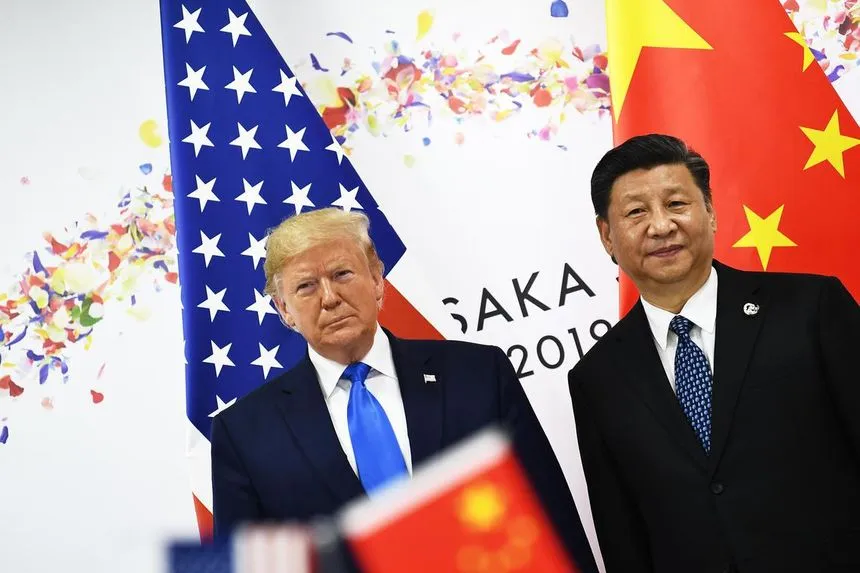
China-US Trade War Sparks Disruption in Global EV Industry
As the US-China trade war escalates in 2025, the electric vehicle (EV) industry is at the heart of global economic upheaval. The conflict is causing ripple effects across the sector with high tariffs and trade restrictions, creating challenges and unexpected opportunities worldwide.
Disrupting EV Supply Chains and Emerging Markets
The trade war has disrupted global EV supply chains, affecting companies that rely on Chinese manufacturing or American consumers. The US has imposed a 30% tariff on goods from China, with a 102.5% tariff specifically on Chinese EVs. As a result, manufacturers are forced to rethink their supply chain strategies and shift production networks.
In response, some emerging markets, such as Malaysia and Vietnam, have seen a boost in EV production as companies relocate their operations away from China. While this brings economic growth to these countries, it also puts pressure on their local infrastructure and labour markets, which could affect the cost and efficiency of production.
Opportunities Amidst Challenges
Impact on EV Sales and Production: The trade war has significantly impacted global EV sales. S&P Global Mobility predicts a decrease of 793,000 units in global light-vehicle sales in 2025, with the peak impact hitting around 1.05 million units by 2026, mainly due to ongoing trade tensions and tariffs.
Technological Dilemmas: The trade war also challenges EV technology development. The fragmentation of supply chains is forcing countries and companies to decide which technologies to adopt. This decoupling could slow down innovation and economic growth within the EV sector.
Policy Changes in the US: The Trump administration’s potential rollback of emissions and fuel economy standards is reshaping the US EV market. With reduced pressure to adopt battery electric vehicles (BEVs) quickly, the BEV mix in the US is now expected to reach only 30% by 2030, down from previous projections of 40%.
European Response to Chinese EVs: The EU is considering imposing tariffs on Chinese EVs to protect its domestic industry. This could impact the global EV market, especially since the EU is the largest overseas market for China’s EV industry.
Cleantech Investments Surge Amid Global Energy Transformation
Despite the challenges, opportunities are emerging. Quentin Willson, a motoring expert, suggests that tariffs could prompt Chinese automakers to build European factories, potentially boosting local EV manufacturing and reducing emissions from importing Chinese-made vehicles. This could also create jobs in the European EV sector.
Navigating the New Global EV Landscape
The US-China trade war is fundamentally reshaping the global EV landscape, disrupting supply chains, shifting manufacturing hubs, and creating new export opportunities. As the situation evolves, EV manufacturers, suppliers, and policymakers must stay flexible and responsive to navigate this new trade environment.
Stay updated with the latest developments in the EV industry by subscribing to the EV Magazine weekly newsletter. Get insider information and industry insights delivered to your inbox, and stay ahead in the fast-evolving world of electric vehicles and sustainability.
Subscribe now to stay informed and inspired!
This article originally published at Evmagazine
