
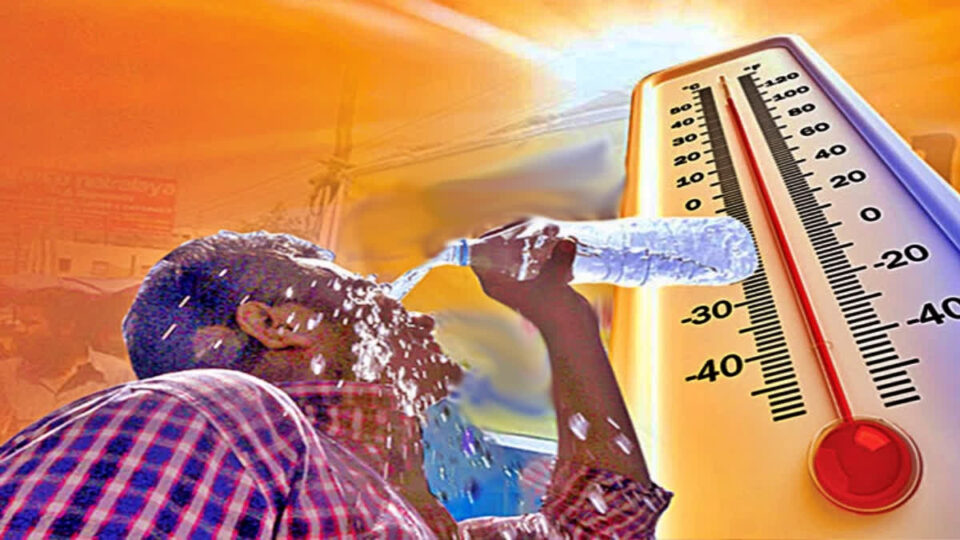
Tamil Nadu to Declare Heat Waves as a State-Specific Disaster Soon
Introduction
Tamil Nadu is gearing up to officially classify heat waves as a state-specific disaster, which will enable better preparedness, mitigation strategies, and relief measures. This decision comes in response to rising temperatures and an increase in extreme weather events due to climate change. The classification will allow the state government to access disaster relief funds and implement proactive measures to protect vulnerable populations.
Understanding Heat Waves and Their Impact
A heat wave is a prolonged period of excessively high temperatures, often accompanied by high humidity, which can have severe consequences for human health, agriculture, and infrastructure. The Indian Meteorological Department (IMD) defines a heat wave based on temperature thresholds:
- When the maximum temperature is at least 4.5°C above normal for two or more consecutive days, it is classified as a heat wave.
- If the deviation exceeds 6.4°C, it is termed a severe heat wave.
- In coastal regions, a heat wave is declared when temperatures exceed 37°C consistently.
With its tropical climate, Tamil Nadu has been experiencing a steady rise in temperatures, particularly during the summer months of April to June. The impact of heat waves has been particularly devastating in urban areas where concrete structures and limited green cover exacerbate the heat effect.
Why Tamil Nadu is Taking This Step
Tamil Nadu’s decision to classify heat waves as a disaster is driven by multiple factors:
- Rising Temperature Trends: Over the past decade, Tamil Nadu has recorded multiple instances of extreme heat. Cities like Chennai, Madurai, and Trichy frequently see temperatures exceeding 40°C, causing widespread discomfort and health risks.
- Public Health Concerns: Heat waves pose a significant health risk, especially to the elderly, children, and individuals with pre-existing medical conditions. Cases of heatstroke, dehydration, and respiratory illnesses surge during extreme heat conditions.
- Impact on Agriculture: Tamil Nadu’s agriculture sector relies heavily on monsoon rains. Prolonged heat waves can lead to drought conditions, reduced crop yields, and severe water shortages, directly affecting farmers’ livelihoods.
- Urban Heat Island Effect: Rapid urbanization causes cities to experience higher temperatures due to concrete buildings, lack of ventilation, and minimal green spaces. This makes urban populations more vulnerable to heat waves.
- Disaster Preparedness and Relief: Recognizing heat waves as a disaster will enable Tamil Nadu to utilize resources from the State Disaster Response Fund (SDRF) and National Disaster Response Fund (NDRF). This ensures faster relief measures, medical aid, and long-term mitigation strategies.
Recent Reports and Findings
A recent report by the State Planning Commission titled “Beating the Heat: Tamil Nadu Heat Mitigation Strategy” highlights the urgency of addressing heat waves. According to the report:
- Madurai, Chennai, and Thoothukudi are the most affected districts, with extreme heat increasing between 2003 and 2023.
- Night temperatures are almost on par with daytime temperatures, worsening heat-related health impacts.
- Nearly 59% of Tamil Nadu’s population is exposed to temperatures above 35°C, making it essential to build heat resilience as climate change intensifies extreme heat conditions.
Additionally, the India Meteorological Department (IMD) reports that heat waves generally occur from March to June over northwest India, Central, East, and north Peninsular India, affecting states like Punjab, Haryana, Delhi, Uttar Pradesh, Bihar, Jharkhand, West Bengal, Odisha, Madhya Pradesh, Chhattisgarh, Rajasthan, Gujarat, Maharashtra, and Karnataka. Heat waves occasionally affect Tamil Nadu and Kerala, making them vulnerable to rising temperatures.
Also Read : State-Specific Politics
Heat Wave Relief Measures
Some states that have already classified heat waves as disasters have introduced relief measures, including:
- Financial assistance to families of heat wave victims.
- Compensation for those suffering from heatstroke, sunburn, and loss of eyesight due to extreme heat.
- Emergency medical care and cooling centres provide immediate relief to affected populations.
Tamil Nadu is expected to adopt similar policies to provide comprehensive support to its citizens during extreme heat conditions.
Expected Benefits of This Declaration
By officially recognizing heat waves as a state-specific disaster, Tamil Nadu can implement structured policies and relief measures, including:
- Early Warning Systems: The IMD, in collaboration with the Tamil Nadu State Disaster Management Authority (TNSDMA), will develop improved forecasting models and real-time alerts for impending heat waves.
- Public Awareness Campaigns: Educating people about heatwave precautions, hydration, and the dangers of prolonged exposure to high temperatures will help mitigate health risks.
- Heat-Action Plans: Tamil Nadu plans to introduce district-wise heat action plans similar to those implemented in states like Gujarat and Odisha, where extreme heat conditions have been tackled successfully.
- Infrastructure Adaptation: To combat rising temperatures, the government will encourage heat-resistant building materials, shaded bus stops, green roofing, and urban afforestation.
- Special Provisions for Workers and Vulnerable Groups: Outdoor workers, such as construction labourers and farmers, are at high risk during heat waves. Policies like modified work hours and shaded rest areas will be introduced.
Future Roadmap
Tamil Nadu’s approach to managing heat waves will likely evolve in the coming years with:
- Advanced Heat Forecasting Technologies: AI-based models for more accurate and localized temperature predictions.
- Green Urban Planning: Incorporating more tree cover, artificial lakes, and reflective surfaces in city planning.
- Collaboration with Global Climate Experts: Learning from international best practices in heatwave mitigation, such as those used in Australia and the United States.
- Legislation for Climate Adaptation: Enacting laws that mandate climate-resilient infrastructure and emergency response protocols.
Conclusion
Tamil Nadu’s decision to declare heat waves a state-specific disaster marks a significant shift in India’s climate adaptation strategy. With temperatures rising due to climate change, proactive measures such as heat action plans, public awareness programs, and infrastructure adaptation will play a crucial role in minimizing the impact of extreme heat events.
As Tamil Nadu paves the way, other states prone to extreme heat, like Rajasthan, Maharashtra, and Andhra Pradesh, may follow suit, ensuring a nationwide approach to combating the growing threat of heat waves. The success of this initiative will depend on timely execution, efficient governance, and active public participation to safeguard lives and livelihoods from extreme heat conditions.
Article source reference: NewIndianExpress
